

4 January 2026
Good morning from Umm Al-Khair.
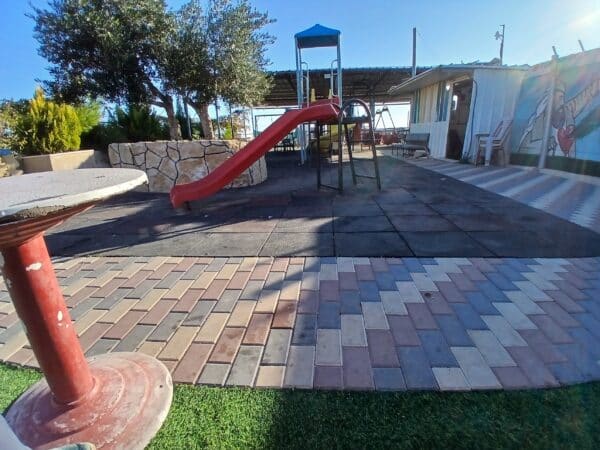
This is the village where Awdah Hathaleen was born, did community organizing, started a family, was involved with the production of the Oscar-winning film “No Other Land,” and then on July 28th, 2025 was murdered by a settler. Many, many international activists from all over the world in different organizations had worked with Awdah over the years. I only met him briefly in 2024 but his skill as a community organizer and his ability to lead his community’s resistance against the occupation was evident even in that short encounter. This is a memorial written by an ISMer who worked closely with Awdah.
Umm al-Khair was founded in 1948 by two brothers fleeing the Nakba. They built their homes and their lives here, and generations of their descendants have been born in this community.
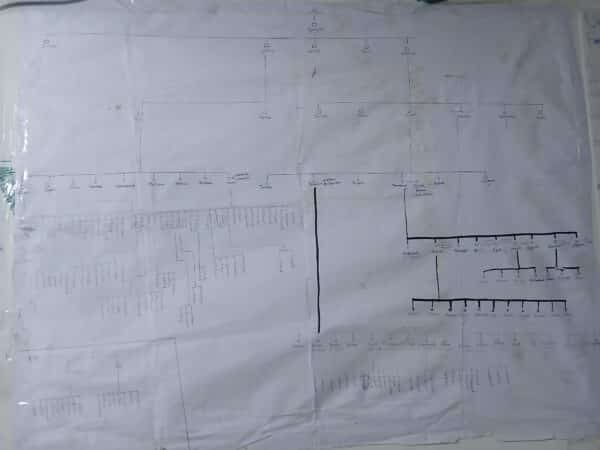
In 1980, the settlement of Carmel was founded right next to Umm al-Khair, and since then the village has been under attack from the settlers and the army as Israel attempts to annex this land. The road to Carmel splits Umm al-Khair in two, and new illegal outposts have been established all around the village.
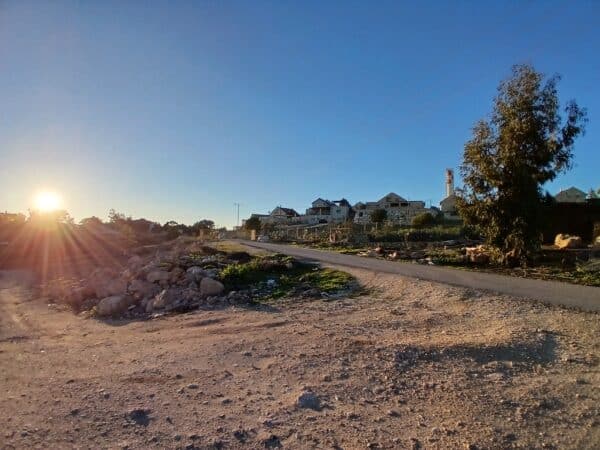
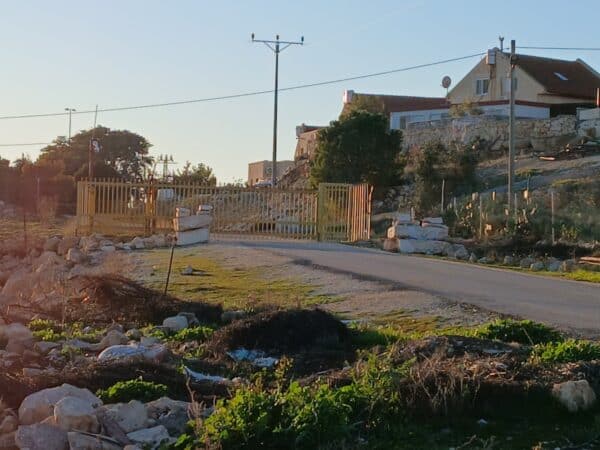
The road that cuts through the village and the gate to Carmel
The murderer of Awdah, Yinon Levi, has been under sanctions by European countries after he founded the illegal settlement Havat Meitarim, which is some distance from Umm al-Khair. However, his contracting business was employed doing work in this area, and they were cutting the water to the village on the day Levi shot Awdah. He was released from house arrest after a few days and has not been charged. Meanwhile, almost two dozen of villagers were arrested that same day, and held for days, facing beatings in jail. The Israeli army refused to release Awdah’s body for the funeral for some time, and 60 women in the community went on hunger strike to demand the right to bury their dead. This is just a glimpse of this community’s power and sumud.
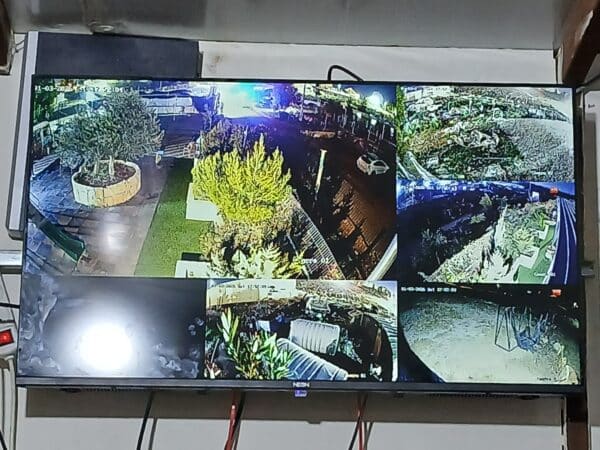
Yesterday, when we came to the road to Umm al-Khair / Carmel, there was a flying checkpoint established and 3 or 4 Israeli soldiers were stopping and searching each car. When we reached the checkpoint, and the soldiers took our IDs, I noticed that one of them had covered up his legally-required name tag with a patch that read in English: “V.I.P. Blood.” In the classic manner of police and soldiers everywhere, they then yelled at us to open the trunk for a search but wouldn’t allow us to get out of the car to do so. After some minutes of this, they got bored and let us pass.
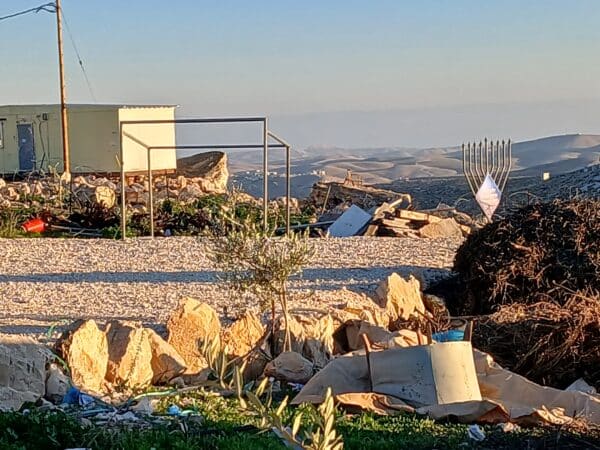
During the afternoon, as we were hanging out at the community center and watching some anti-Zionist Israeli activists playing soccer with the kids, settlers from Carmel did their weekly shabbat march through the village. As in Al Khalil, they turn the beautiful tradition of a shabbat stroll into a tool of domination. The Palestinian children have to scatter and everyone holds their breath lest the settlers seize on any action by the Palestinians or activists as an excuse to call in the army to “protect” them. We don’t take photographs because the settlers bring their children with them and then accuse the community/activists of preying on the children. People often ask about the fact that I don’t observe shabbat while I’m here, and part of that decision is based on the need to stay connected to do the work. But part of it is because when you are surrounded by people who have only ever experienced shabbat as a time of increased threat and violence – the time set aside for programs, essentially – it just has a completely different meaning than it does for me in the disapora.
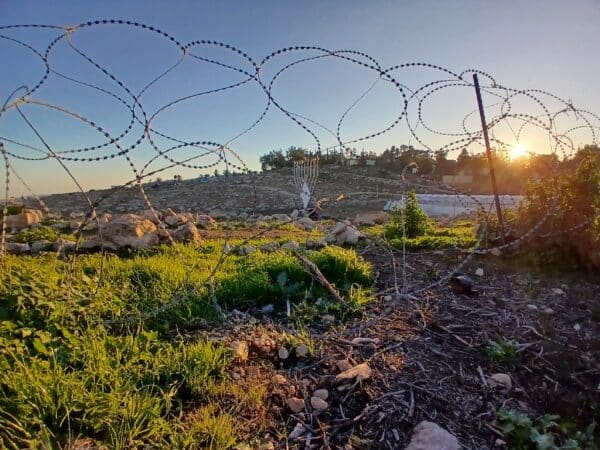
Razor wire and a menorah represent Jewish supremacy and the ethnostate
The Umm al-Khair community is rich and vibrant, with deep ties of family, loyalty, and commitment. Awdah was only one of many community leaders, and if the occupation thought that killing him would undermine the villagers resistance they were profoundly in error. We met one of Awdah’s cousins, who grew up learning from Awdah and has now taken on many of Awdah’s responsibilities, working with international activists and supporting Awdah’s widow and 3 adorable sons. He told us many stories about the family and their history here, about his experiences of being arrested as a teenager and beaten in jail before being released in the middle of the night far from home with no money or phone. He told us about the impact of Awdah’s death, and how the settlers come to the razor wire fence they constructed and shout at the villagers “Where’s Awdah? Where’s Suleiman? [Another martyr from the village]. We haven’t seen them recently.”
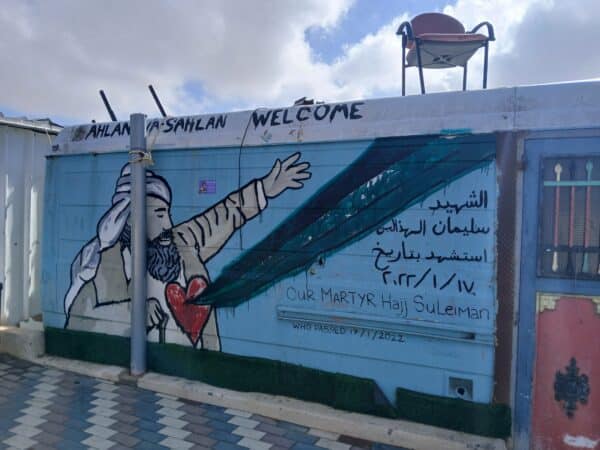
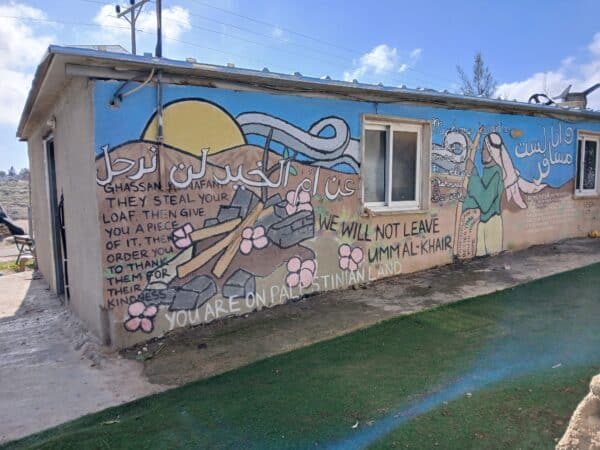
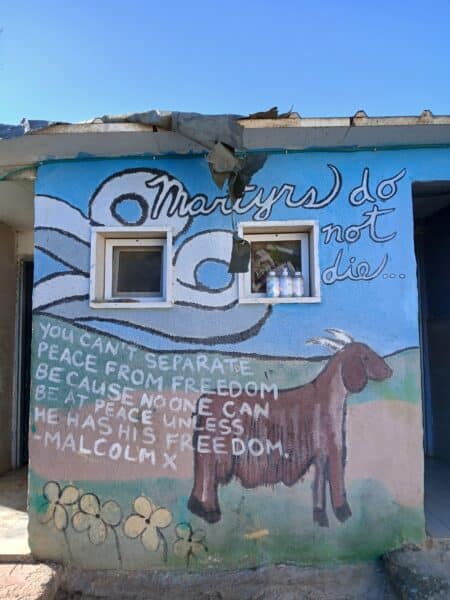
Stunning murals on buildings declare the community’s commitment to remain
I’ve heard so much about Umm al-Khair over the last few years, and their powerful example of resistance. It was an honor to be able to come here for the night, talk with the activists, visit Awdah’s widow, and get to know the children. We had a wild game of soccer that led to me falling on my face and having to hobble off the field and one particularly active child decided to use me as a jungle gym for part of the evening. The babies are incredibly cute and everyone we met was so welcoming. For anyone who is interested in doing solidarity presence work in Palestine, but for whom ISM might not be a good fit, groups like the Center for Jewish Nonviolence have long standing relationships with Umm al-Khair.
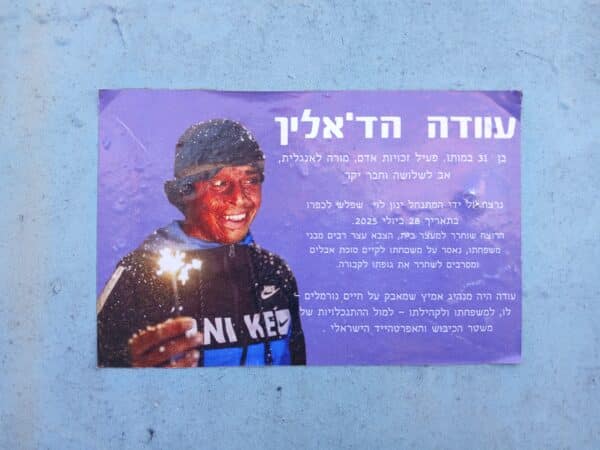
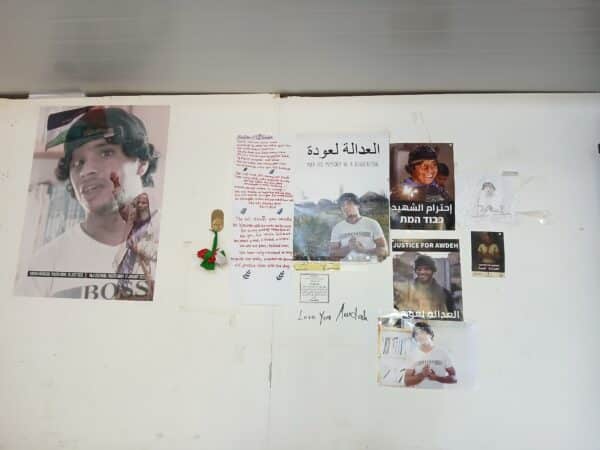
Powerful memorials to Awdah, may his memory be for a blessing and a revolution