
Friday, 26 December, 2025
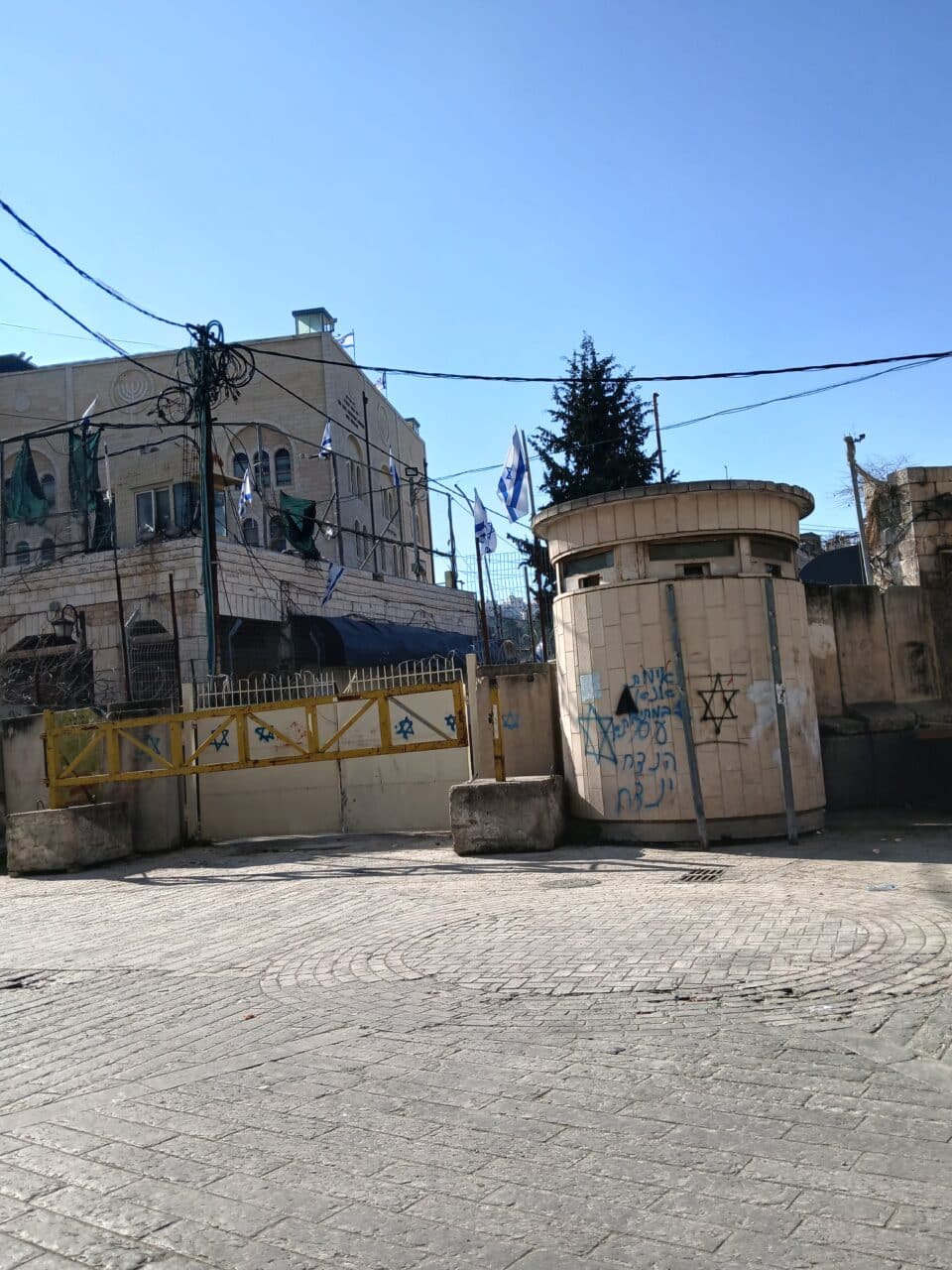
Good evening from Al Khalil! It’s a really beautiful city, and has been suffering severely from the combination of colonization and lack of tourism post-Oct 7.
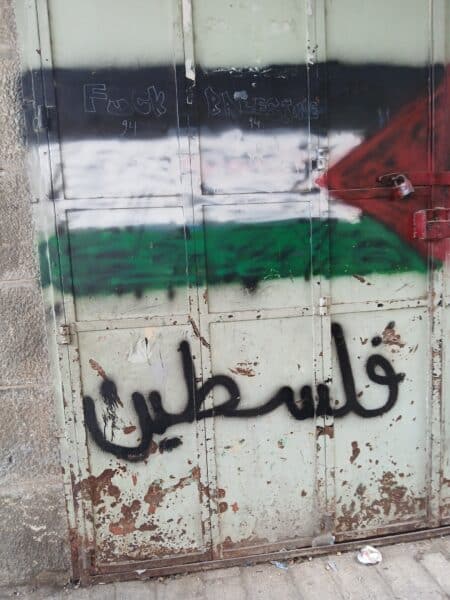
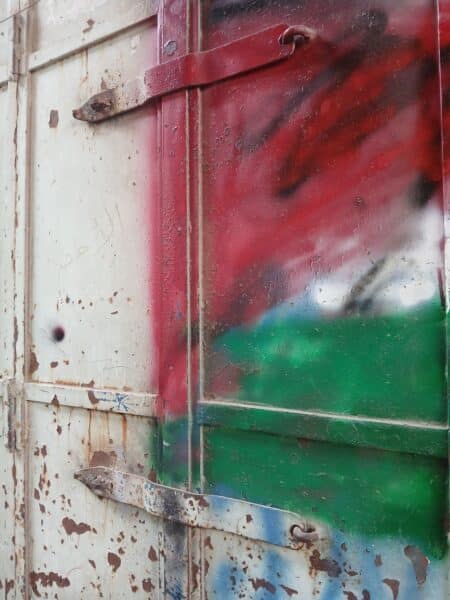
Shop doors welded shut by the occupation to prevent Palestinians from making a living in the Old City, with layers of graffiti revealing resistance and the occupation’s violence.
One form of solidarity the people here are asking for is just simply for foreigners to visit and spend money here. There’s so much to see, and so much culture and history. Just in one afternoon, we had a powerful time visiting shops and learning about people’s lives and the local history.
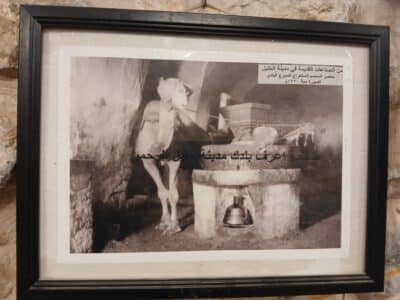
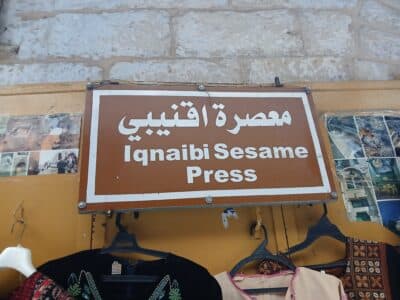
An 850 year old sesame press, with a picture of it in operation in 1920:
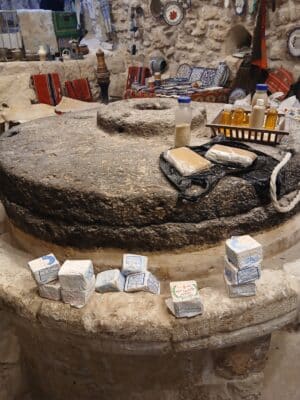
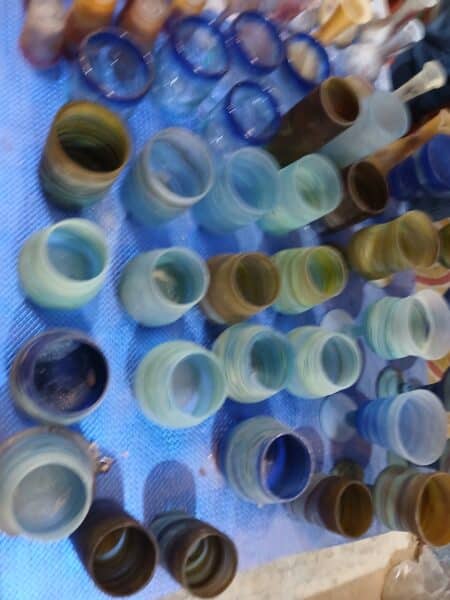
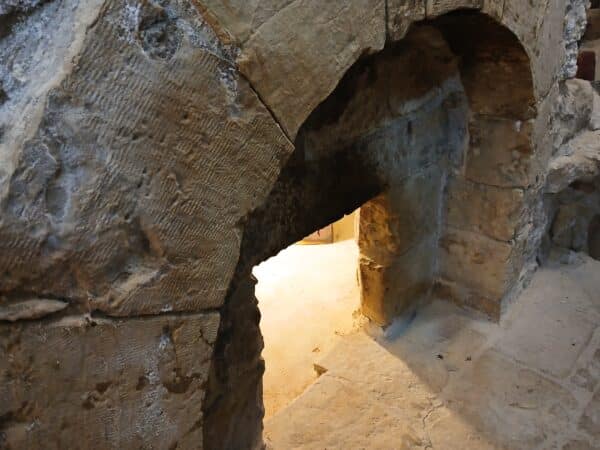
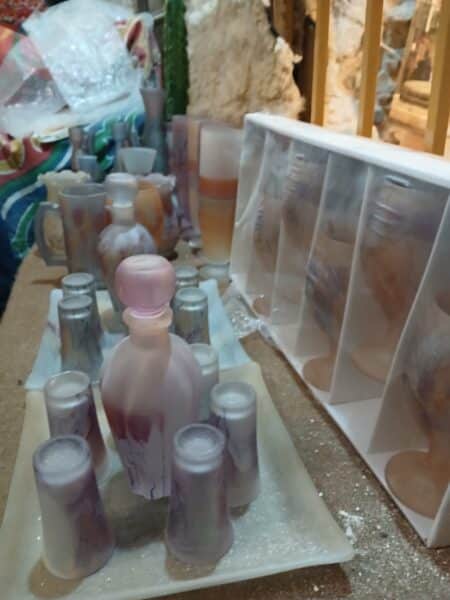
An ancient glass blowing oven (currently not in use) and glass vessels created in Al Khalil and hand painted in Gaza. Before the genocide, it took about 20-30 minutes to drive to Gaza to drop off glass or pick up painted products. There is very little of this Gazan glass left now.
The most intense story came from a man who told us about how his family has lived in their home in the Old City for generations — his great-grandfather was born in the house. Settlers have tried to buy the home again and again, resorting to violence and threats when the family continued to remain steadfast. Around the time of the second intifada, a settler building was constructed flush against the Palestinian home, so that the two structures share a wall:
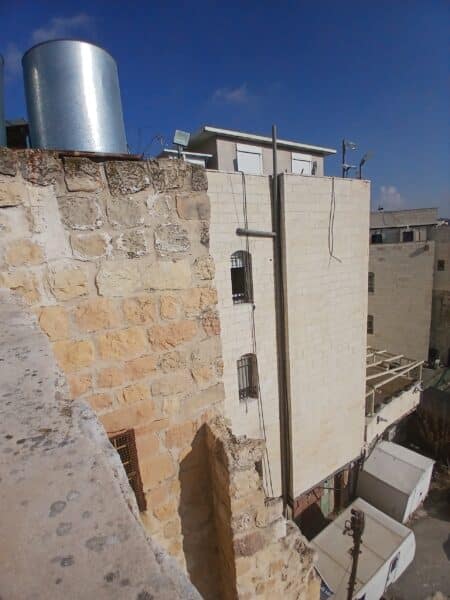
The settlement, called Abraham Avinu, was built so that there was a door between the Palestinian home and the new building. Settlers would enter and attack the family, in one case beating the man’s pregnant mother so badly that she miscarried. He told us how he asked his father why they didn’t leave to go to America, and his father explained his commitment to remaining in his family’s home. After his father’s death, the son is determined to stay, and he has a small shop to try to make a living. Now, there are painted concrete blocks preventing the settlers from entering through the doorway between the two structures, and razor wire filling gaps.
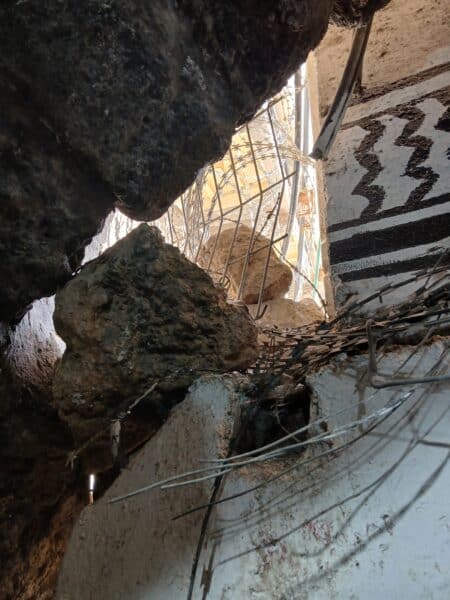
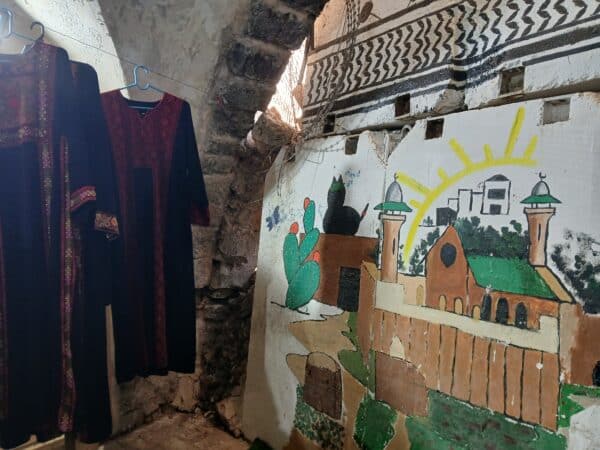
But they can barely ever go up to the roof, because the settlers throw stones and trash at them in the stairwell and on the roof:
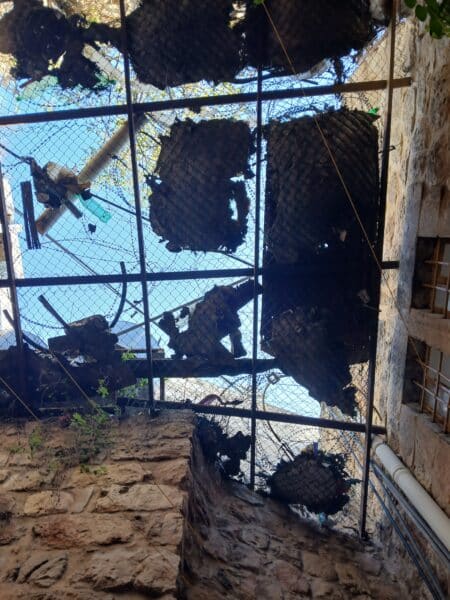
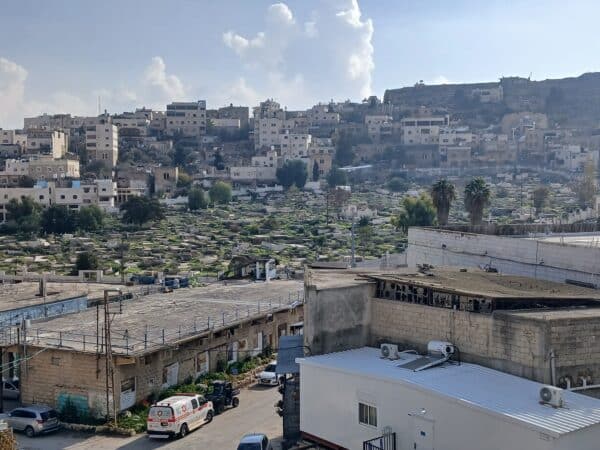
On the roof, they are watched by an Israeli army watchtower that is on the top of the settlement. They brought us up briefly, to see the view. But as the soldier kept staring at us, we rushed back inside. We were told it would be dangerous to take picture of the soldier, but we were able to see the beauty of the view and the horrific impacts of colonization in its particular patchwork manifestation within Al Khalil / Hebron.
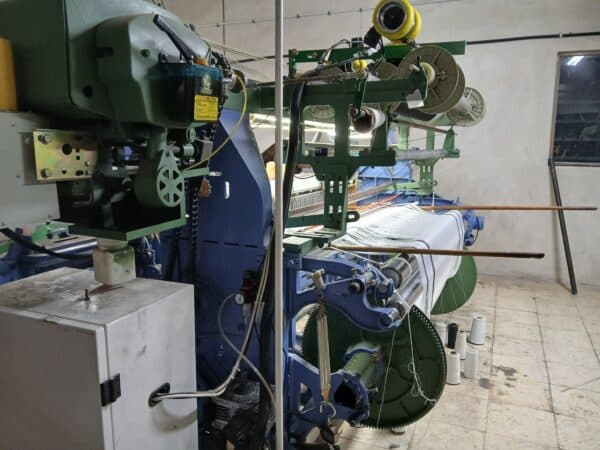
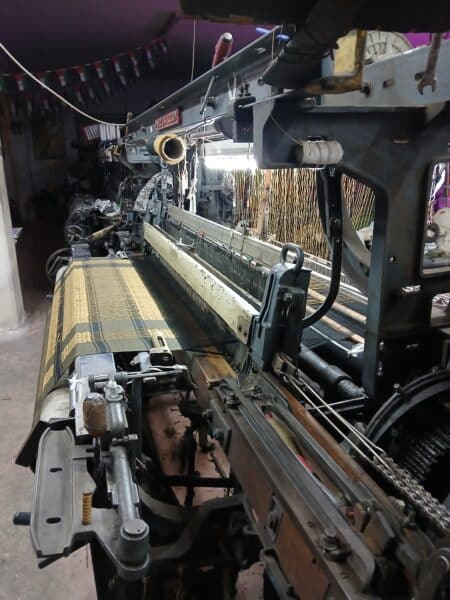
We also were able to visit the Hirbawi factory, and see the looms that have been in operation since the 1960s. The factory workers emphasized to us how much it means to have tourists come visit the factory.
For anyone coming to Palestine with ISM – or even if you are unable to do solidarity presence work – please consider a visit to Al Khalil to learn about the sumud of the people there and show your solidarity with their struggle.