Occupied West Bank | October 2026
By Diana Khwaelid
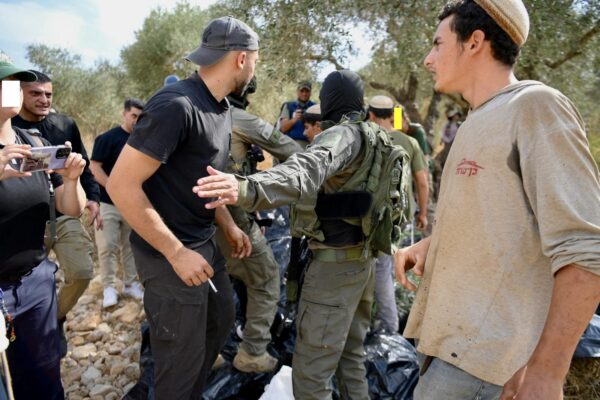
As the olive harvest gets underway in the occupied West Bank, Palestinian farmers are facing growing risks that threaten their safety and their ability to reach their land and gather their crops. Alongside settler attacks involving physical violence, threats, crop theft and the destruction of trees and agricultural equipment, farmers face restrictions imposed by Israeli forces on access to certain areas, as well as incidents of gunfire, detention and the prevention of agricultural work.
The 2026 olive harvest officially began in the occupied West Bank on 15 October. Its arrival has been accompanied by an escalation in violence by Israeli settlers and military forces against Palestinians, as settlers and Israeli soldiers continue to use violence and impose tighter restrictions on residents across the West Bank. This year’s olive harvest has been marked by severe attacks and arbitrary measures, making it one of the most difficult and violent seasons compared with recent years.
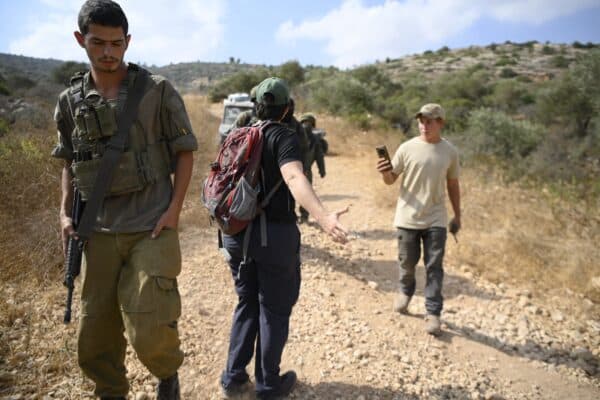
Across towns and villages throughout the occupied West Bank, Palestinians have faced settler attacks ranging from being denied access to their land and having their crops stolen to physical assaults, the burning of homes and private property, and even attempted killings and killings. At the same time, Israeli military authorities have issued arbitrary orders preventing Palestinian farmers from reaching their land, claiming that the areas are closed military zones.
A Harvest Under Threat
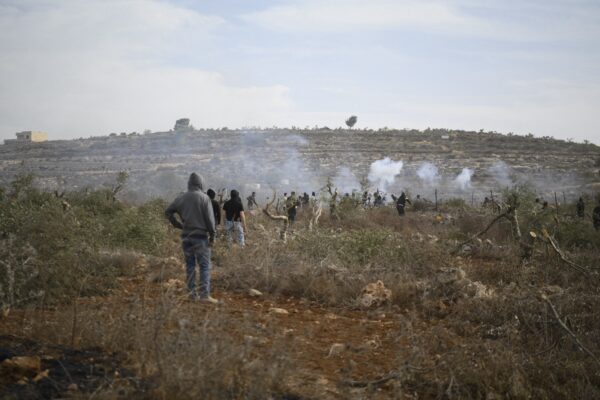
Palestinian families are struggling to reach their agricultural land, particularly in areas near settlements and settlement outposts, as well as in areas where prior coordination with the Israeli authorities is required.
United Nations reports indicate that movement restrictions, combined with the fear of attacks, are preventing farmers from accessing their land safely and regularly, limiting the time available to harvest their crops and transport the olives to the presses.
In some cases, farmers are forced to leave their land before completing the harvest. Others face the risk of having their olives and equipment stolen while they are working in the fields. This leaves families facing direct financial losses, particularly when delays or the inability to harvest result in the loss of part of their annual crop. These restrictions have become one of the main challenges facing the olive harvest, alongside physical assaults, vandalism and theft.
Attacks on Farmers, Journalists and Activists
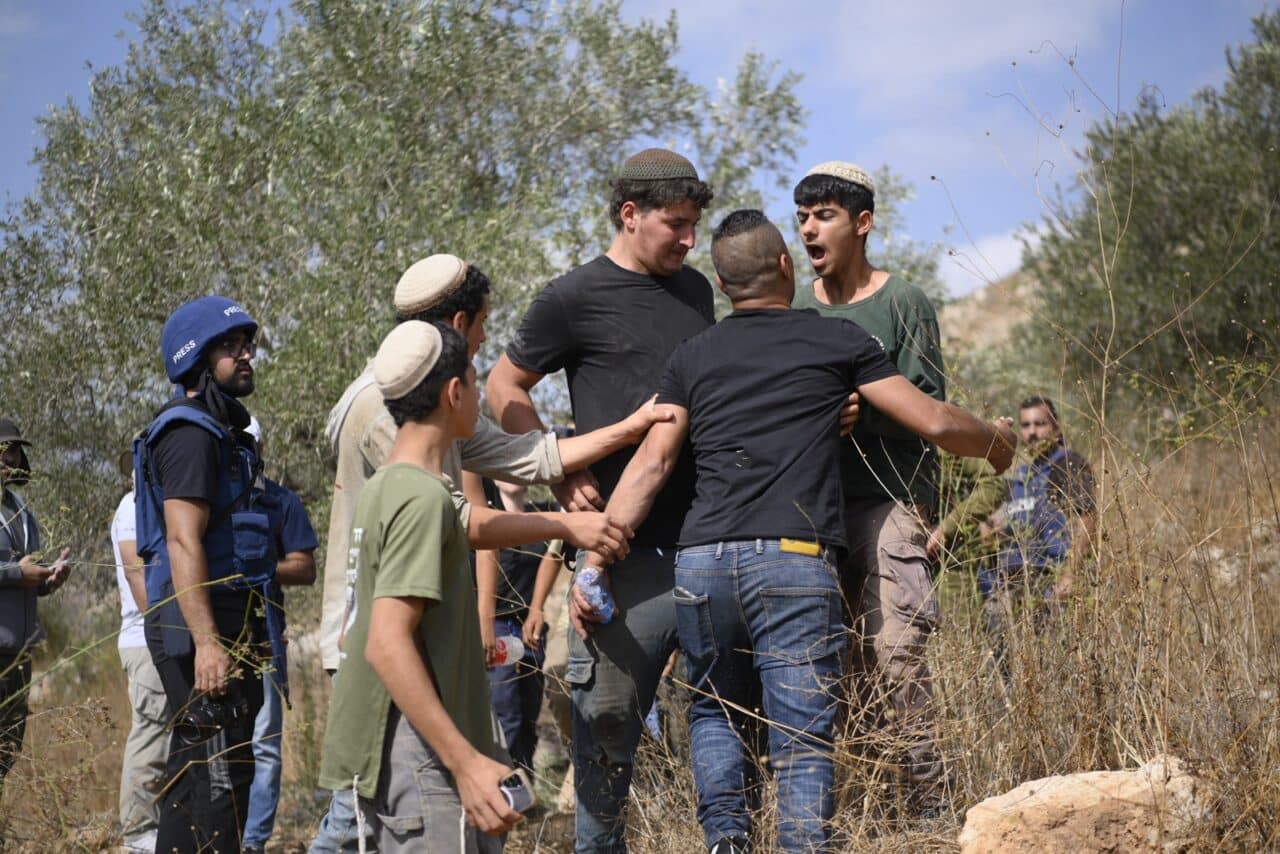
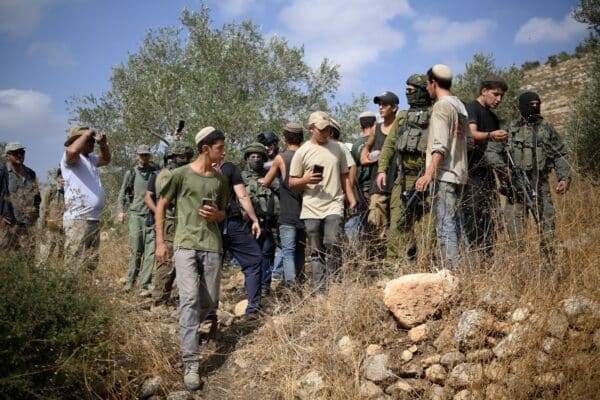
The attacks during this year’s harvest have not been limited to farmers. Journalists, activists and solidarity volunteers accompanying farmers and documenting events in the fields have also been targeted.
According to a report by the United Nations Office for the Coordination of Humanitarian Affairs (OCHA), settlers attacked farmers, activists and journalists in Khirbet Abu Falah, in the Ramallah and al-Bireh governorate, on 16 October. The incident left nine Palestinians injured, including a child. A foreign journalist was also reportedly beaten with sticks and had her belongings stolen.
Palestinian farmers face extremely difficult conditions and serious risks every time they plan to reach their land. Some are accompanied by Palestinian, international and Israeli activists who provide a degree of protection through their presence, while others have to make the journey without adequate support or protection. The figures published by Palestinian and United Nations bodies reveal the scale of the attacks during the 2026 harvest, at a time when thousands of Palestinian families depend on their olive crops as a vital source of income and a means of maintaining their connection to their land.
According to the latest report issued by OCHA on 22 October 2026, settler attacks against Palestinian farmers, their land and their property escalated during the olive harvest. More than 250 attacks linked to the olive harvest were recorded between September and mid-October.
More than 200 Palestinians had been injured in attacks related to the harvest by 19 October. Of these, 143 injuries were directly attributed to settlers, while 57 resulted from actions by Israeli forces in the context of settler attacks. More than 3,200 olive trees and saplings were damaged or destroyed. One Palestinian death was also recorded among the casualties linked to attacks during the same period.
On 22 October 2026, the Palestinian Wall and Settlement Resistance Commission, the body responsible for documenting settlement activity and settler attacks in the West Bank, reported that 409 attacks had been carried out by settlers and Israeli forces against farmers, olive trees, agricultural land and equipment between 1 and 22 October.
Losses Beyond the Harvest
Olive trees are central to Palestinian economic and social life, and many families across West Bank villages depend on them for their livelihoods. Attacks on trees, crops and agricultural equipment therefore represent more than immediate losses: they threaten farmers’ ability to continue cultivating their land and earning a living from it.
These concerns are particularly acute in areas where attacks are repeated, agricultural roads are closed or access to farmland becomes increasingly restricted. When farmers are prevented from reaching their trees or forced to abandon their crops out of fear of attack, their ability to provide for their families becomes dependent on circumstances beyond their control.
Who will put an end to this suffering and the violence that continues to escalate day after day?
How long will Palestinians be able to endure the growing violence of settlers and the arbitrary decisions issued by the Israeli government and enforced by its military?